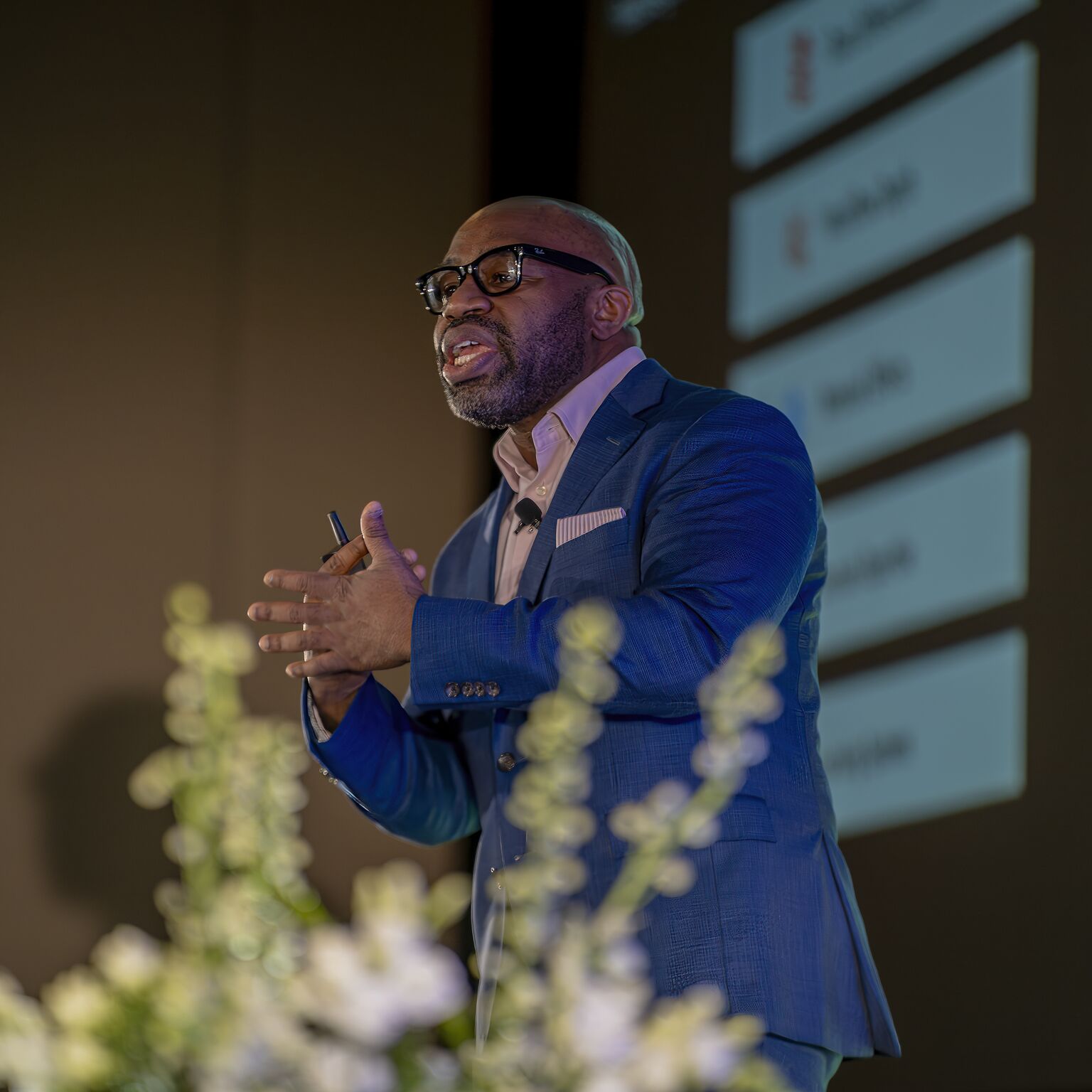
When people ask me how to become a better technologist, I respond by asking a simple question — can you tell a story?
The most differentiating skill that I see, especially with consultants, pre-sales managers, solution architects, and others, is that those who stand out tell better stories. You can be the deepest technical expert in the room, but the most important skill is connecting to your audience.
Why Stories Matter
Stories are why I fell in love with coding. When I started programming, way back in fourth grade, I was fascinated with how code could help me create and draw cartoons. I fell in love with coding because I could create my own stories. All these years later, I’m excited by the potential of AI to help us create these stories even more vividly.
Great technologists are great storytellers. They’re orators. Think about the most influential people in the last decades — Steve Jobs, Adam Grant, Oprah Winfrey, Barack Obama, Brene Brown — they all inspired us to make change by the narratives they tell.
Tips for Creating Memorable Moments
Here are some tips and tricks for creating memorable moments, from an impromptu elevator pitch to a full-length presentation:
Make your presentation personal
Address your audience specifically. Avoid showing generic slides. Listen to your customer’s talks, watch their videos. “Start with why,” as Simon Sinek suggests. Why will this be critical to my company’s success? And then how does this solution create value for my customer?
Prioritize outcomes over features
Obviously, you need to understand how the technology works, and what its strengths and limitations might be. But make sure not to lead with them. I prefer to start with outcomes, then add in features at the end. I also leave space for questions before I get to them — you can’t know what features your audience cares about without asking questions.
Start with the end in mind
We’re trained to present in a way that builds to a dramatic moment. But why wait 30–40 minutes for the good stuff to come along? By bringing the “Bottom Line Up Front” you can captivate your customer, reminding them of why they are there. I suggest that you pace your presentation like a great athlete does: start fast, pace the middle, then finish strong.
The Room Changes
When you present to a customer in this way, the meeting feels different. The room seems to crackle with a continuous energy. It’s exciting. Participants have a new understanding about what their goal is — and how they’re going to reach it.
So, tell me — what’s the last great story you’ve told?